 CCPTR,
  Confederation with Confederation of Indian Industry(CII)


 Federation of Indian Chambers of Commerce and Industry
 National Skill Development Corporation
 DGCA-Approved for Dangerous Goods Training(DGR)
 Ministry of Education
 MoE's Innovation Cell
 Institution's Innovation Council
 AICTE Approved
 We Offer Student Credit Card (Authorized by The Government of West Bengal)

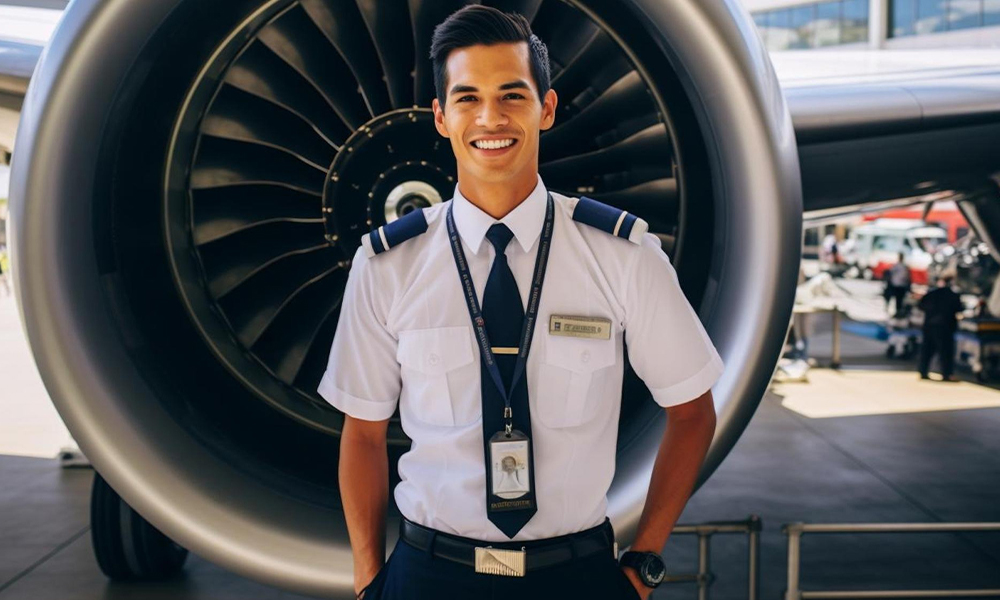
The aviation industry has always captured the imagination of those who dream of skies, travel, and global connections. Today, as the world gradually recovers from recent disruptions and embraces technological advancements, international aviation careers are evolving faster than ever. For students, professionals, and enthusiasts looking to carve a path in this dynamic field, understanding current trends is crucial for informed career decisions.
Growing Demand for Skilled Cabin Crew and Ground Staff
Air travel continues to expand across the globe, leading to increased demand for cabin crew and ground staff. Airlines are seeking professionals who can provide high-quality passenger experiences while ensuring safety and efficiency. For cabin crew, this means mastering hospitality, customer service, and emergency response skills. Ground staff roles are also evolving, with responsibilities ranging from operational coordination to passenger assistance and cargo management.
In international aviation, the emphasis is on multi-lingual communication and cultural sensitivity. Airlines increasingly value staff who can cater to diverse passengers and ensure a seamless travel experience. Those entering the field can benefit from training programs that combine practical experience with soft skills development, preparing them for global opportunities.
Integration of Advanced Technology
Technology is transforming aviation careers at every level. Airports and airlines are adopting digital solutions for check-ins, baggage handling, flight scheduling, and passenger safety. Professionals with knowledge of these technologies are in high demand. For instance, cabin crew may need to operate new onboard systems efficiently, while ground staff must manage automated check-in kiosks or smart boarding procedures.
Emerging fields like drone management, unmanned aerial vehicles (UAVs), and AI-driven air traffic monitoring are creating new career avenues. Professionals who stay updated with technological trends gain a competitive edge and can adapt to changing industry requirements seamlessly.
Focus on Sustainable Aviation
Environmental consciousness is influencing global aviation policies. Airlines are now investing in fuel-efficient aircraft, alternative energy sources, and eco-friendly operational practices. Careers in sustainability, such as environmental compliance, green operations, and carbon footprint management, are gaining attention.
Experienced professionals and students entering aviation careers are increasingly aware of sustainability’s importance. Understanding eco-friendly initiatives, from reducing emissions to managing waste on flights, is becoming essential for international aviation professionals.
Emphasis on Specialized Training Programs
Career paths in aviation are no longer limited to pilots and cabin crew. Popular Aviation Courses such as BBA IN Aviation Operations, Diploma in Aviation Hospitality and Aviation Management etc are gaining popularity. These courses provide hands-on experience, from managing passenger services to understanding airport operations and airline logistics.
For those seeking international opportunities, programs often include internships and exposure to global airlines. This practical experience helps candidates understand real-world challenges and equips them with skills that stand out in competitive recruitment processes.
Increased Importance of Soft Skills
While technical expertise remains crucial, airlines are placing greater emphasis on soft skills. Emotional intelligence, problem-solving, adaptability, and communication are vital traits for professionals in international aviation. Cabin crew must manage passenger expectations, assist with emergencies, and maintain composure in high-pressure situations. Ground staff must handle operational challenges while ensuring a positive passenger experience.
Professionals who combine technical knowledge with strong interpersonal skills are more likely to thrive in international aviation careers. These skills enhance workplace harmony and contribute to memorable passenger experiences, which are key for airline reputation.
Expanding Opportunities in Global Airlines
The aviation industry’s recovery has led to the growth of international carriers, creating opportunities beyond domestic markets. Regional airports are connecting to international hubs, and low-cost carriers are expanding across continents. This opens doors for roles in operations, logistics, customer service, and management across borders.
Professionals willing to explore global assignments can gain exposure to diverse cultures, advanced technologies, and international aviation standards. This international experience adds significant value to a career profile and enhances long-term growth prospects.
Health, Safety, and Passenger Well-Being
Post-pandemic, airlines are prioritizing passenger health and safety more than ever. Careers in safety management, hygiene compliance, and passenger care are gaining significance. Cabin crew and ground staff are trained in new protocols, ensuring safe and comfortable journeys. Professionals who understand health guidelines and can implement them effectively are in high demand, particularly in international aviation.
International aviation careers in 2025 offer exciting opportunities, from cabin crew and ground staff to roles in technology and sustainability. Success requires skills, adaptability, and passion. The best aviation college in Kolkata equips students and professionals with training and experience to build rewarding global careers. Staying updated with industry trends is key to thriving in this evolving field.

Leave a comment