 CCPTR,
  Confederation with Confederation of Indian Industry(CII)


 National Skill Development Corporation
 DGCA-Approved for Dangerous Goods Training(DGR)
 Ministry of Education
 MoE's Innovation Cell
 Institution's Innovation Council
 AICTE Approved
 We Offer Student Credit Card (Authorized by The Government of West Bengal)

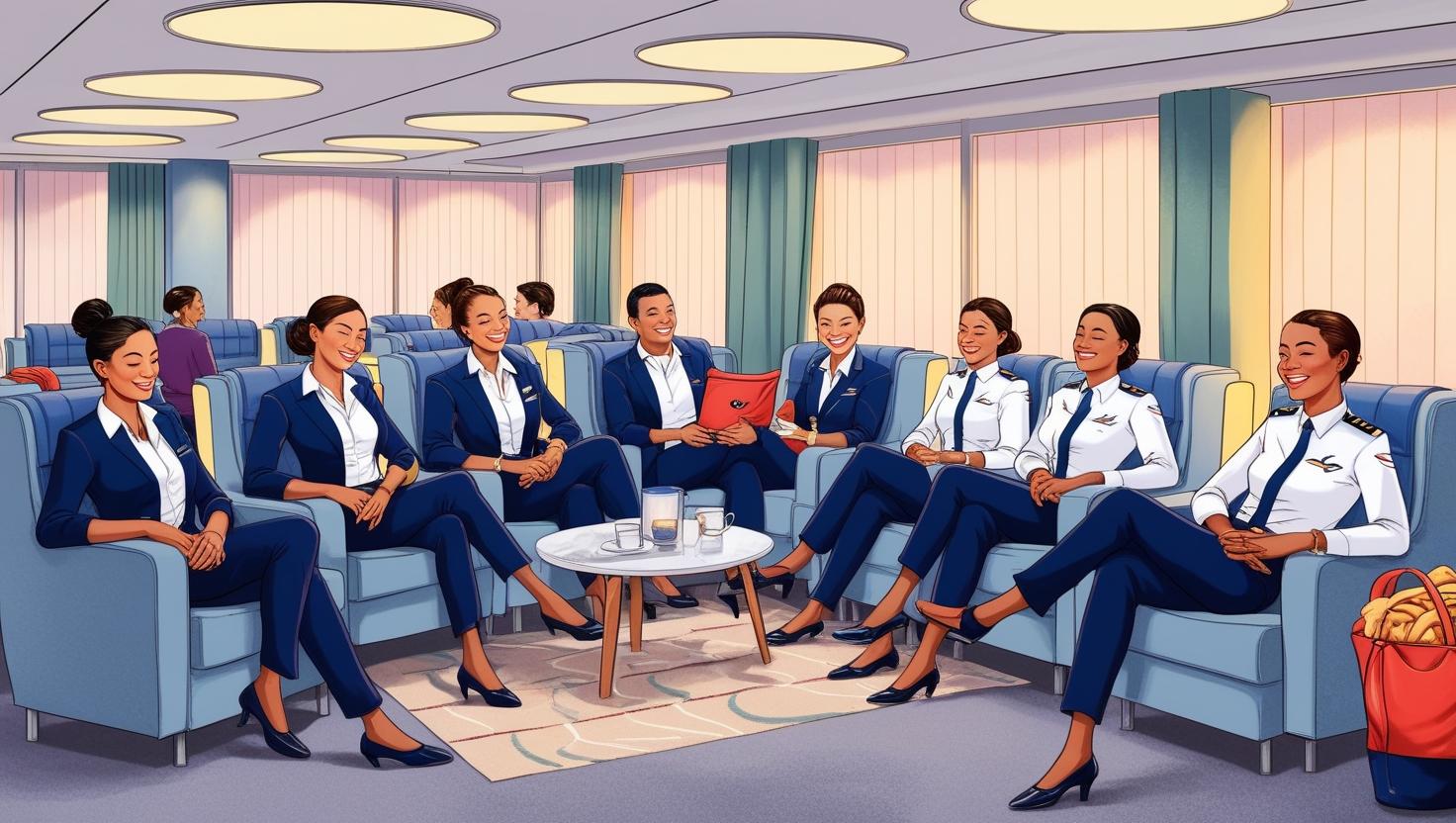
Employees are the backbone of an airline's operations in the aviation industry. From cabin crew ensuring passenger comfort and safety to ground staff managing operations and pilots navigating the skies, the well-being of airline employees directly influences overall efficiency, customer satisfaction, and the company’s reputation. However, working in aviation is not without its challenges—long hours, irregular schedules, high stress, and the constant demand for perfection can take a toll on staff.
This blog explores creative and effective ways airlines can prioritize staff well-being, ensuring a happier, healthier workforce that’s ready to soar.
Flexible Scheduling and Work-Life Balance
One of the most significant challenges for airline staff is maintaining a work-life balance. Irregular hours and frequent travel disrupt personal routines, leaving little time for family or relaxation. Airlines can address this by:
Introducing Flexible Rosters: Empowering employees to choose shifts that fit their personal lives whenever possible.
Encouraging Adequate Rest: Implementing mandatory rest periods between shifts to prevent fatigue and ensure staff have time to recharge.
Rotational Assignments: Allowing crew members to alternate between short-haul and long-haul flights to reduce burnout from constant jet lag.
Mental Health Support Programs
Mental health is just as important as physical health, especially in an industry as high-pressure as aviation. Airlines should actively create a culture that supports mental well-being by:
Providing Access to Counseling Services: Partnering with mental health professionals to provide confidential counselling sessions for employees dealing with stress or personal challenges.
Regular Wellness Checks: Conduct mental health assessments and workshops to raise awareness and seek help.
Peer Support Networks: Establish peer-to-peer programs where employees can share their experiences and offer mutual support in times of need.
Airlines can foster a supportive environment that values employee well-being by investing in mental health.
Fitness and Wellness Initiatives
Physical health often takes a backseat when employees fly across time zones or manage airports. Airlines can promote fitness and wellness through:
Gym Memberships: Offering discounted or free gym memberships for employees to encourage regular exercise.
Onboard Workouts: Teaching flight crews simple stretching exercises or yoga poses to combat muscle stiffness during flights.
Nutritious Meals: Providing healthy meal options for employees on board and in airport lounges to combat fatigue and boost energy.
Annual Health Checkups: Offering regular screenings to monitor physical health and catch potential issues early.
A physically healthy workforce is more productive, alert, and ready to tackle challenges.
Recognition and Appreciation Programs
Recognizing employees' hard work is one of the simplest yet most effective ways to boost morale. Airlines can implement:
Employee of the Month Awards: Celebrating outstanding performance across various roles.
Milestone Celebrations: Acknowledging work anniversaries, personal achievements, or successful project completions.
Thank-You Notes: A simple handwritten note or email from management expressing gratitude can make employees feel valued.
Recognition doesn’t always need to be grand—sometimes, small gestures have the biggest impact.
Career Development Opportunities
Staff well-being isn’t just about physical and mental health; it’s also about professional growth. Airlines should offer:
Skill Development Programs: Providing training in new technologies, safety protocols, or customer service to keep employees engaged and competitive.
Clear Career Paths: Helping employees plan their career path within the company, whether they want to become senior pilots or managers in ground operations.
Cross-functional training: Allowing staff to explore different roles within the airline, creating a more versatile and knowledgeable workforce.
When employees see a future in their organization, they’re more motivated to excel.
Social Connectivity and Team Bonding
Airline jobs can be isolating, especially for cabin crew and pilots who spend long hours away from home. To create a sense of community:
Team-Building Events: Organizing outings, workshops, or virtual meetups to foster camaraderie among staff.
Celebrating Festivals Together: Hosting events during festive seasons to help employees feel connected, even when far from home.
Support Groups for Families: Creating networks where employees’ families can connect and share experiences, helping them better understand the demands of the job.
A strong support system improves morale and builds lasting connections among staff.
Financial Wellness Programs
Financial stress is a common concern among employees, especially those in high-demand roles. Airlines can ease this burden through:
Competitive Salaries and Bonuses: Ensuring pay aligns with industry standards and rewards excellent performance.
Financial Planning Workshops: Educating staff on managing their income, investments, and retirement plans.
Emergency Funds: Establish support systems for employees facing unexpected financial hardships.
When employees feel financially secure, they can focus better on their roles.
Safety and Comfort Enhancements
Employee safety should always be a top priority. Airlines can enhance safety and comfort by:
Upgrading Crew Rest Areas: Providing comfortable sleeping quarters for long-haul flights and relaxing lounges at airports.
Advanced Safety Equipment: Investing in the latest technologies to ensure employees feel secure while performing their duties.
Feedback Mechanisms: Encouraging employees to report safety concerns and act promptly to resolve them.
When staff members feel safe and supported, they’re more confident in their work.
Sustainability Initiatives Involving Employees
Airline employees often take pride in working for companies that care about the environment. Airlines can involve staff in sustainability efforts by:
Eco-Friendly Training Programs: Teaching staff ways to minimize waste during flights and adopt sustainable practices.
Rewarding Green Ideas: Encouraging employees to suggest eco-friendly innovations and reward actionable ideas.
Community Engagement: Involving employees in tree-planting drives, beach clean-ups, or other environmental initiatives.
By aligning employee well-being with sustainability goals, airlines can inspire a sense of purpose in their workforce.
Open Communication Channels
A culture of open communication fosters trust and transparency. Airlines should:
Conduct Regular Surveys: Seek employee feedback on workplace policies, job satisfaction, and areas of improvement.
Hold Town Halls: Allowing management to share updates and address employee concerns directly.
Create Anonymous Feedback Platforms: Enable staff to voice their opinions without fear of retaliation.
When employees feel heard, they’re more likely to stay committed to their roles.
The aviation industry thrives on human connection, and the well-being of airline staff is central to delivering excellent service. By implementing these strategies, airlines can create a supportive work environment that prioritizes employee health, growth, and happiness. Pursuing the best air hostess course from the top air hostess college in Kolkata helps aspirants not only master in-flight responsibilities but also equips them with resilience and wellness techniques essential for thriving in this demanding yet rewarding career.

Leave a comment