 CCPTR,
  Confederation with Confederation of Indian Industry(CII)


 Federation of Indian Chambers of Commerce and Industry
 National Skill Development Corporation
 DGCA-Approved for Dangerous Goods Training(DGR)
 Ministry of Education
 MoE's Innovation Cell
 Institution's Innovation Council
 AICTE Approved
 We Offer Student Credit Card (Authorized by The Government of West Bengal)

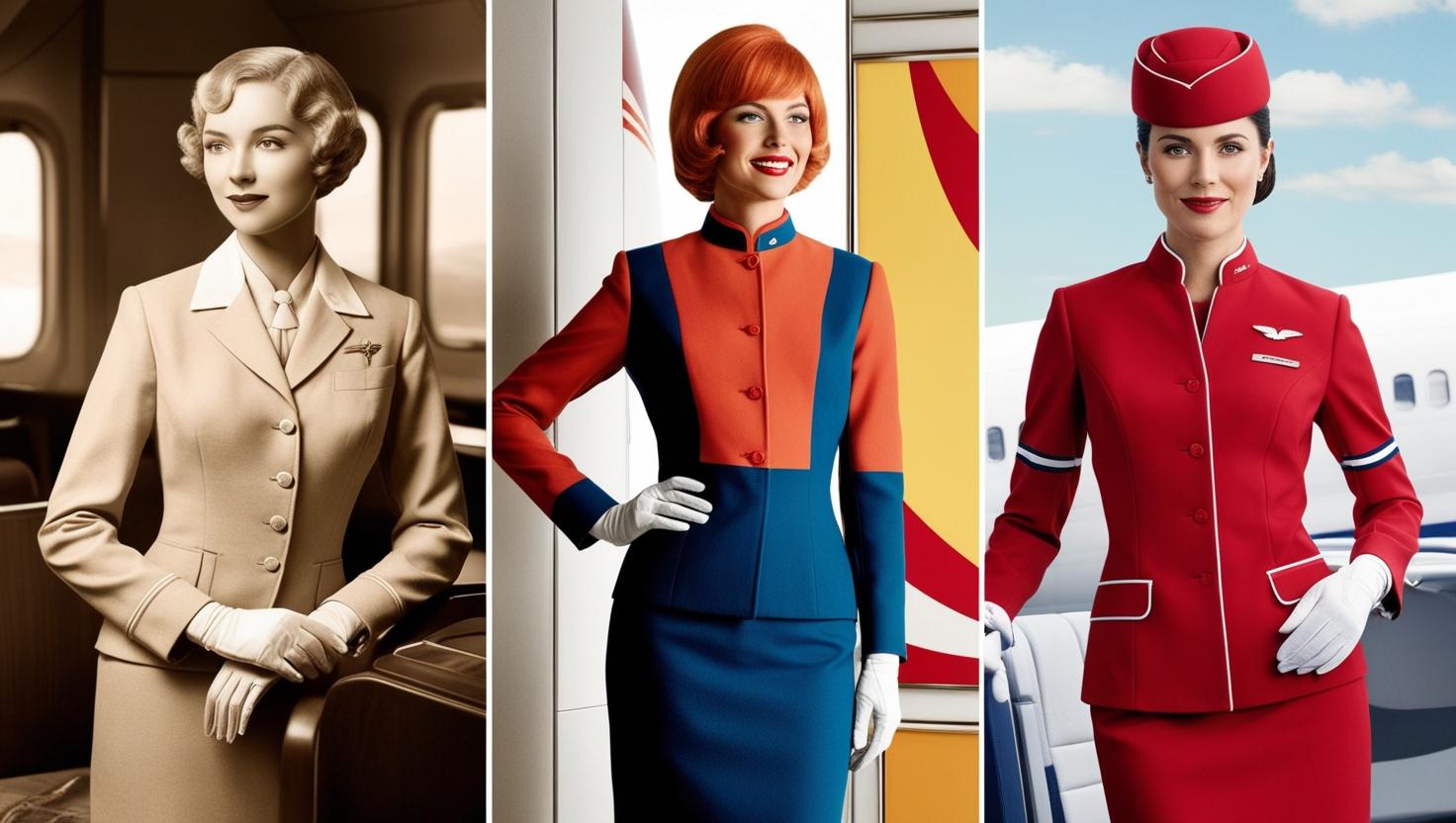
In the early days of aviation, flying was a much different experience than it is today. Passengers boarded planes with little more than a seat, a blanket, and perhaps a few peanuts for the journey. The concept of cabin crew, as we know them now, was worlds apart from its origins. Back then, flight attendants—“stewardesses” or “stewards”—had one primary job: ensuring passenger safety throughout the flight. Their role was defined by practical necessity rather than luxury or comfort. However, this role has evolved dramatically over time, growing to encompass not only safety but also service, comfort, and a more seamless flying experience for passengers.
The Birth of Cabin Crew: Safety First
The roots of cabin crew trace back to the early 20th century, when commercial aviation was still a novelty. Airlines initially hired nurses to tend to passengers' needs, ensuring their comfort and well-being during long and uncomfortable flights. Having a trained professional on board for safety and medical emergencies was grounded in practicality. The role was largely shaped by the demands of safety rather than service.
The first flight attendants were women, and it wasn’t until the late 1930s that they began to form a distinct role within airlines. Stewardesses, as they were called, were required to meet certain physical standards—height, weight, and age—and had to be trained in basic medical procedures to assist in emergencies. Their primary function was to ensure that passengers were secure and comfortable during flight, and they played an essential part in emergency evacuations and the management of onboard safety.
In the 1940s, as air travel became more accessible and airlines expanded, the role of cabin crew began to include service duties. While safety remained the top priority, stewardesses began to offer refreshments, assist with luggage, and ensure that passengers were well taken care of. The golden age of air travel in the 1950s and 1960s ushered in a new era of glamorous flying, where cabin crew members were not only seen as safety experts but also as symbols of hospitality and luxury.
The Shift to Service: From Safety to Comfort
By the 1970s and 1980s, air travel had undergone significant changes. With the advent of jet engines, commercial flights became faster and more accessible to the general public. This expansion of the aviation industry introduced a shift in the expectations of passengers. No longer were airlines just about getting people from one destination to another; the flying experience itself became a critical part of the travel industry.
With the surge in air traffic, airlines started competing for passengers by offering better services. This is where the cabin crew's role began to evolve beyond safety to a focus on customer service. They were no longer just responsible for ensuring passengers' safety during the flight; now, they were expected to provide a high level of service to ensure that travellers felt comfortable and cared for. Flight attendants began offering a wider variety of meals, snacks, and drinks. They were trained in customer relations, helping to create a more enjoyable and personalized experience for passengers.
The 1980s and 1990s saw the rise of low-cost carriers, which led to further changes in the cabin crew’s duties. With the increased demand for budget-friendly flights, airlines had to find ways to balance cost-cutting measures while still offering quality service. In this era, the role of cabin crew became more flexible, with some airlines adopting a more casual approach to customer service while others maintained a traditional, formal service style. Nonetheless, cabin crew continued to be the main point of contact for passengers, responsible for everything from managing in-flight entertainment systems to assisting with special requests and providing comfort on long-haul flights.
Today’s Cabin Crew: A Dynamic Blend of Safety and Service
The modern-day cabin crew member is a highly skilled professional who must juggle a wide range of responsibilities. While safety remains their top priority, the modern flight attendant's role has evolved to encompass a complex balance of ensuring passenger well-being, delivering top-tier service, and providing personalized experiences in the air.
In today’s aviation landscape, the role of cabin crew is more diverse and demanding than ever before. Training remains a key part of their education, but now, cabin crew members are also trained in various skills like conflict management, customer service, and language proficiency to better serve passengers from all over the world. Flight attendants are taught how to handle stressful situations, help with medical emergencies, and resolve conflicts between passengers.
The rise of social media has also changed the way cabin crew interact with passengers. Today, flight attendants are not only responsible for handling passenger complaints or requests; they also act as the face of the airline, representing the brand both in-flight and online. Airlines often encourage cabin crew to engage with passengers on social media, offering personal touches such as sharing fun moments during the flight or responding to customer feedback. This interaction helps build brand loyalty and creates a more personable connection between travelers and the airline.
Beyond this, the technology boom in aviation has had a profound impact on cabin crew responsibilities. With tablets and digital tools onboard, flight attendants now have instant access to passenger preferences, real-time information about the flight, and up-to-date weather conditions. These tools enhance efficiency, enabling cabin crew to manage the cabin more effectively and cater to the diverse needs of passengers, whether it’s adjusting a seat, offering specific meal preferences, or responding to a special request.
Airlines also understand that passengers want a more comfortable, enjoyable journey, and much of that experience is shaped by the cabin crew. Today, cabin crew members go above and beyond their traditional roles. They’re often tasked with creating a warm, welcoming environment for passengers, ensuring that the in-flight experience is more than just a trip from one point to another. From serving gourmet meals on long-haul flights to offering personalized touches for frequent flyers, modern flight attendants play a critical role in shaping customer satisfaction.
The Growing Emphasis on Diversity and Inclusivity
Another major shift in the evolution of cabin crew roles is the increased focus on diversity and inclusivity. Airlines are recognizing the importance of having cabin crews that reflect the diverse backgrounds and cultures of their passengers. This not only ensures that travelers feel seen and heard but it also helps airlines foster an environment of respect and understanding.
Training programs now emphasize cultural sensitivity, making sure flight attendants are aware of and respectful of various customs, traditions, and expectations. Additionally, cabin crew members are encouraged to develop interpersonal skills to accommodate passengers from different parts of the world. The evolution of cabin crew training has made it one of the most dynamic roles in the aviation industry today.
From their early days focused on safety to today’s role enhancing the passenger experience, cabin crew have evolved with the aviation industry. While safety remains their priority, today’s flight attendants also excel in service, technology, and customer care, making every journey smoother and more enjoyable.
If you dream of joining this dynamic and essential team, consider enrolling in the cabin crew course from the best air hostess college in Kolkata. This comprehensive training will equip you with the skills, knowledge, and confidence needed to excel in the aviation industry and embark on a successful, rewarding career as a flight attendant.

Leave a comment