 CCPTR,
  Confederation with Confederation of Indian Industry(CII)


 National Skill Development Corporation
 DGCA-Approved for Dangerous Goods Training(DGR)
 Ministry of Education
 MoE's Innovation Cell
 Institution's Innovation Council
 AICTE Approved
 We Offer Student Credit Card (Authorized by The Government of West Bengal)

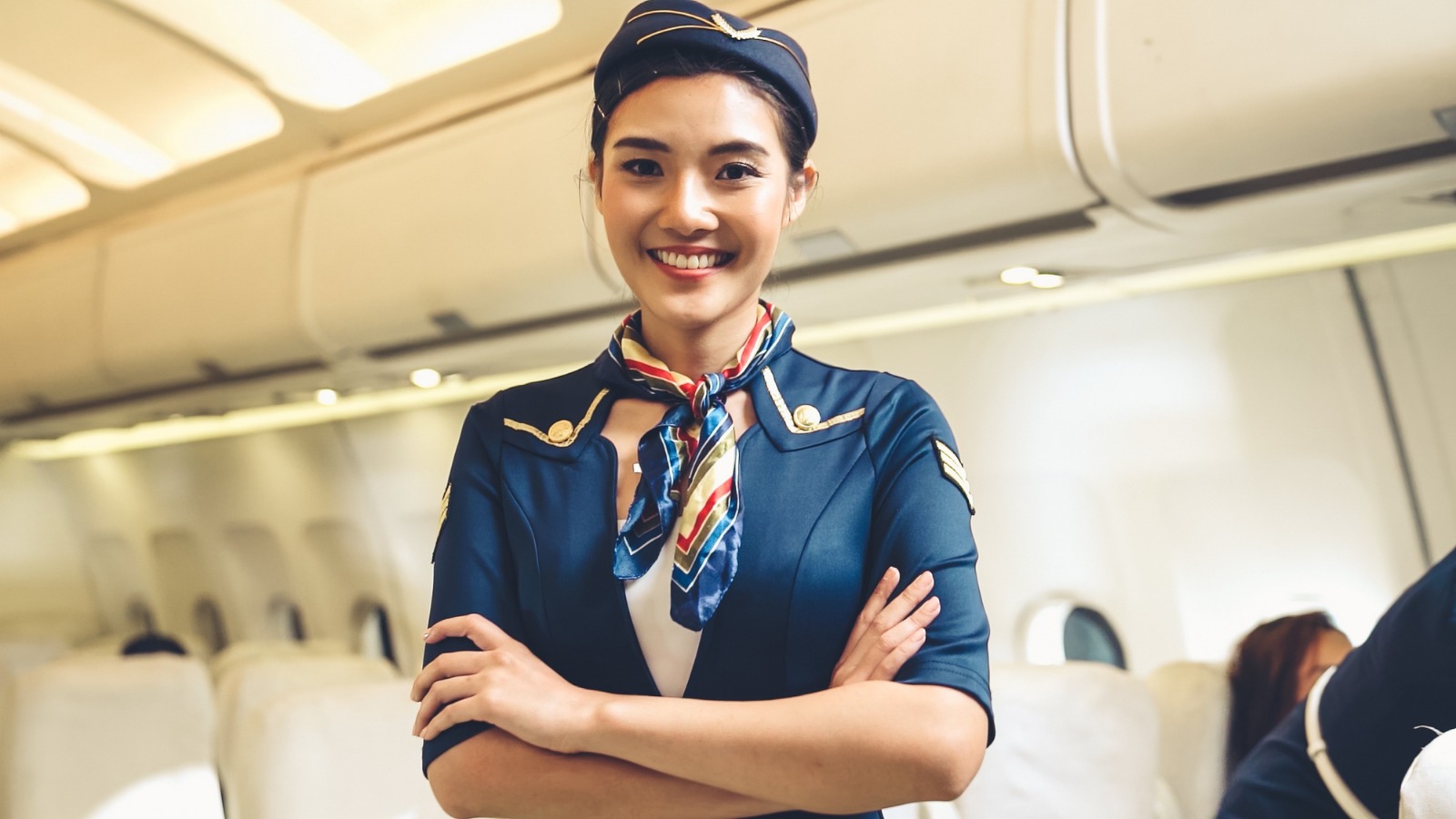
The aviation industry has seen remarkable advancements over the years, and one of the most significant changes has been in cabin crew training. With technology playing a central role, air hostess training colleges have transformed their teaching methods, ensuring that students are better prepared for the dynamic challenges of the aviation industry.
Virtual Reality (VR) and Augmented Reality (AR) in Training
Air hostess training colleges now incorporate VR and AR to create engaging learning experiences. These technologies allow students to:
- Experience virtual aircraft environments before stepping into a real plane.
- Practice handling emergencies like fire outbreaks and turbulence in a controlled, risk-free setting.
- Develop customer service skills through interactive role-playing scenarios.
E-learning and Digital Classrooms
With the rise of online education, many cabin crew training programs now offer digital coursework. This includes:
- Online modules covering aviation safety, hospitality, and communication.
- Virtual lectures by industry experts, making training accessible to students across different locations.
- Interactive quizzes and assessments that provide instant feedback, enhancing the learning process.
AI-driven Customer Service Training
Understanding passenger needs and ensuring top-notch service is crucial for cabin crew. AI-powered training tools help students:
Analyze and respond to different passenger behaviors.
- Practice real-time conversations with AI-driven virtual passengers.
- Enhance problem-solving skills through AI-generated challenging scenarios.
Internship Programs for Hands-on Experience
Leading air hostess training colleges collaborate with airlines and hospitality brands to offer internship programs. These programs:
- Provide real-world exposure by allowing trainees to work in airport lounges, check-in counters, and inflight settings.
- Help students gain practical experience in customer service, safety protocols, and teamwork.
- Bridge the gap between theoretical knowledge and industry expectations, making graduates job-ready.
Smart Classrooms and Biometric Training
Modern air hostess training colleges use smart classrooms equipped with:
- Facial recognition and biometric attendance systems for efficiency.
- AI-based language training for mastering global communication skills.
- Simulated crew resource management exercises to improve teamwork and crisis management.
Mobile Apps for Continuous Learning
Many air hostess training colleges now offer dedicated mobile apps that provide:
- Access to study materials, industry updates, and interactive exercises.
- Virtual mentoring sessions with experienced professionals.
- Progress tracking and certification preparation for students.
Technology has transformed air hostess training, making it more dynamic, accessible, and effective. From virtual reality drills to AI-powered learning platforms, modern training methods ensure that students are industry-ready. For aspiring air hostesses, choosing the right training college with the latest technology is key to a successful career in aviation. The best air hostess training college in Kolkata provides state-of-the-art facilities and advanced learning tools to equip students with the skills needed for a successful career.

Leave a comment