 CCPTR,
  Confederation with Confederation of Indian Industry(CII)


 Federation of Indian Chambers of Commerce and Industry
 National Skill Development Corporation
 DGCA-Approved for Dangerous Goods Training(DGR)
 Ministry of Education
 MoE's Innovation Cell
 Institution's Innovation Council
 AICTE Approved
 We Offer Student Credit Card (Authorized by The Government of West Bengal)

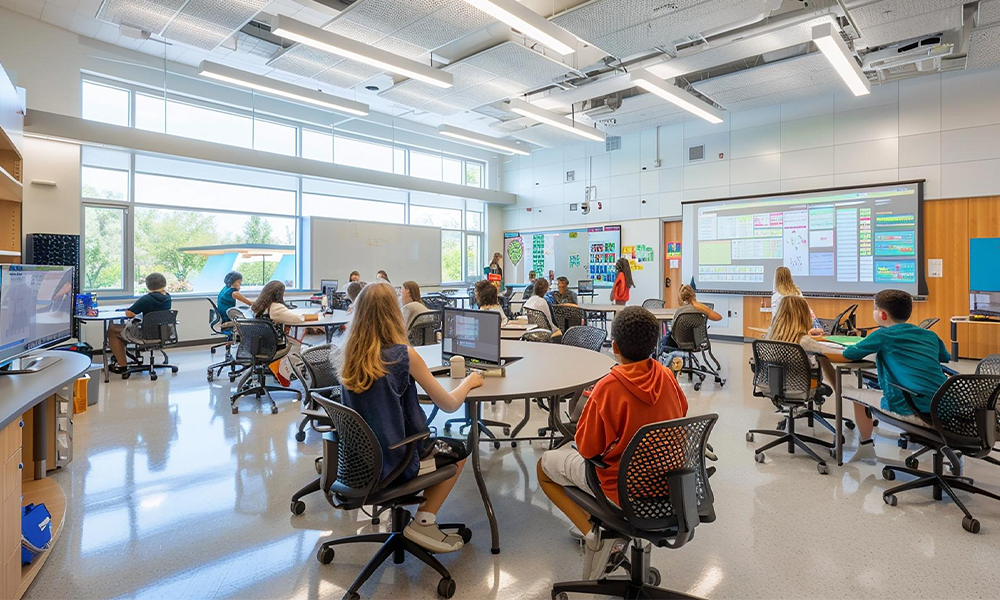
Aviation attracts students for many reasons. Some are drawn to the excitement of airports and airlines, while others see it as a career field with diverse opportunities and long-term growth. However, securing a job requires more than enthusiasm. Employers look for candidates who can communicate professionally, understand workplace expectations, and handle responsibilities with confidence. Aviation courses help students develop these qualities and prepare for the transition from classroom learning to the professional world.
Building a Strong Understanding of the Aviation Industry
Before stepping into any role, it is important to understand how the industry functions. Aviation courses introduce students to key areas such as airport operations, passenger services, airline procedures, aviation safety, and hospitality standards.
Popular Programs like BBA in Aviation Operations, Diploma in Aviation Hospitality and Aviation Management help students gain a broader understanding of the systems and processes that keep airports and airlines running smoothly. This knowledge helps students enter the workforce with greater confidence and awareness of industry expectations.
Developing Skills Employers Look For
Employers value candidates who can communicate effectively, work well with others, and provide a positive experience for customers.
Aviation courses focus on developing these workplace skills through classroom activities, presentations, group discussions, and practical assignments. Students also learn customer service practices and professional etiquette, which are highly valued in passenger-facing roles.
These skills remain useful across different career paths and can help students adapt more easily to professional environments.
Connecting Learning with Real-World Situations
Many students feel uncertain about their first job because they have limited exposure to workplace environments. Aviation education helps bridge this gap by introducing practical learning experiences alongside academic knowledge.
Case studies, role-playing exercises, workshops, and industry-based activities help students understand how situations are handled in airports, airlines, and hospitality settings. This practical approach allows students to apply what they learn and become more comfortable with real-world responsibilities.
Exploring Diverse Career Opportunities
One of the advantages of aviation education is the variety of career paths it can support.
Students pursuing BBA in Aviation Operations may explore opportunities in airport operations, airline administration, passenger services, and aviation support functions. A Diploma in Aviation Hospitality and Aviation Management can lead to opportunities in hospitality services, guest relations, customer service, and travel-related sectors.
This exposure to different career options allows students to make informed decisions about their future.
Building Confidence Before Entering the Workforce
Confidence plays an important role when attending interviews, interacting with recruiters, and starting a new job.
Aviation courses encourage students to participate in presentations, communication exercises, team activities, and professional development sessions. As students become familiar with workplace expectations, they feel more prepared to represent themselves professionally and take on new responsibilities.
This confidence can make the transition from student life to employment much smoother.
Building a successful career in aviation starts with the right preparation. Programs such as BBA in Aviation Operations, Diploma in Aviation Hospitality, and Aviation Management help students develop industry knowledge, practical skills, and the confidence needed to step into professional roles. For students who dream of working in the aviation industry, choosing these career-focused programs at the best aviation college in Kolkata can be an important step toward gaining valuable experience, exploring diverse opportunities, and building a rewarding future in aviation.

Leave a comment