 CCPTR,
  Confederation with Confederation of Indian Industry(CII)


 Federation of Indian Chambers of Commerce and Industry
 National Skill Development Corporation
 DGCA-Approved for Dangerous Goods Training(DGR)
 Ministry of Education
 MoE's Innovation Cell
 Institution's Innovation Council
 AICTE Approved
 We Offer Student Credit Card (Authorized by The Government of West Bengal)

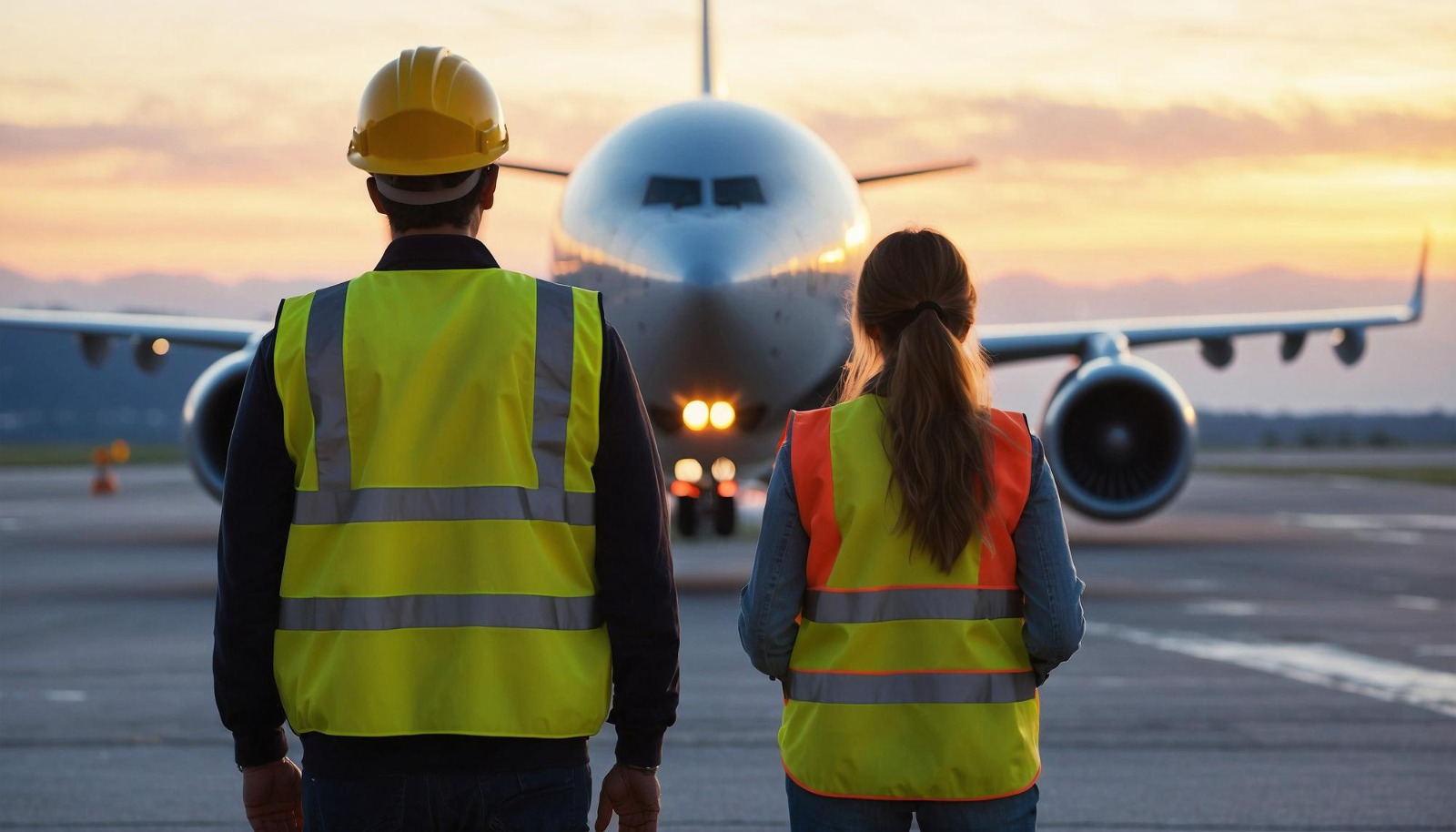


Aviation has made remarkable progress in safety over the years, thanks to advanced technology, strict regulations, and continuous improvements. But even with the best equipment and systems, human performance remains a crucial piece of the puzzle. Pilots, cabin crews, ground staff, and maintenance teams all play vital roles in keeping passengers and crew safe on every flight.
Despite all the technological advances, human error remains one of the leading causes of aviation accidents. According to the European Union Aviation Safety Agency (EASA), human error is involved in over 70% of aviation incidents. This statistic highlights how important it is to focus on training so aviation professionals are well-prepared to handle both routine operations and unexpected challenges.
Human Performance and Aviation Safety
When people think of aviation, they often picture sophisticated aircraft and complex flight plans. But behind every safe flight is a team of highly trained individuals working together, each with a responsibility to follow procedures and make quick decisions. A simple lapse in judgment or a moment of miscommunication can have serious consequences in aviation. That’s why proper aviation training remains one of the most effective ways to reduce human error and enhance safety.
Why Training Matters
Training in aviation goes far beyond learning technical skills. It’s about building confidence, resilience, and teamwork so that aviation professionals can respond effectively under pressure. Let’s look at some key ways that training helps reduce human error and improve safety:
Standardized Procedures and Checklists.
Training reinforces the importance of standard procedures and checklists. Whether it’s a cabin crew member preparing the cabin for takeoff, a ground staff member ensuring proper boarding and baggage handling, or an air traffic controller managing busy airspace, these routines help ensure that critical steps aren’t missed. For example, cabin crew regularly practice emergency procedures, such as handling medical emergencies or evacuations, while ground staff are trained in aircraft safety protocols, passenger assistance, and efficient ground operations. Repeated practice makes these responses second nature, helping to prevent mistakes during real-life emergencies.
Practice-Based Learning
Practice drills offer a safe and controlled environment for pilots and air traffic controllers to handle complex scenarios. Pilots can experience everything from turbulence to system failures, all while staying on the ground. This hands-on training builds confidence and sharpens skills, preparing aviation professionals for situations they may rarely encounter but must be ready to handle. Air traffic controllers, too, use practice sessions to manage high-traffic situations and coordinate safe landings.
Understanding Human Factors
Stress, fatigue, and other human limitations can lead to errors, even among experienced professionals. Training that focuses on human factors helps aviation personnel recognize these challenges and learn strategies to manage them. For instance, cabin crew members learn to recognize the signs of fatigue and how to stay alert during long shifts. Communication and teamwork are also emphasized, as they are key to preventing misunderstandings that can cause accidents. Cabin crew training helps them work together effectively, sharing information and making decisions as a team.
Continuous Learning and Adaptability
Aviation is constantly evolving, with new technologies and procedures emerging regularly. Continuous Training ensures that aviation professionals stay up-to-date. For example, pilots undergo recurrent training to learn about updated avionics, navigation systems, or safety protocols. Maintenance teams attend refresher courses on new aircraft models and repair techniques. This commitment to lifelong learning keeps skills sharp and helps aviation teams adapt to new challenges.
Decision-Making Under Pressure
Aviation training also focuses on crisis management and decision-making skills. Through scenario-based exercises, aviation professionals learn to remain calm and focused during emergencies. Whether it’s dealing with an onboard medical situation or responding to equipment malfunctions, training prepares them to make quick, informed decisions that prioritize safety.
The Impact of Training on Aviation Safety
The benefits of training are clear in the big drop in aviation accidents over recent decades. According to the International Air Transport Association (IATA), the global accident rate has gone down by more than 80 percent since the 1970s. This shows that investing in people works. Training has helped build a safety-focused culture in the aviation industry, where everyone from pilots to ground staff shares the responsibility of keeping flights safe.
At the heart of aviation safety are the people who make it all happen. By prioritizing comprehensive, realistic, and ongoing training, the aviation industry empowers professionals to handle any situation. From standardized procedures to hands-on training and human factors programs, aviation teams are ready to keep the skies safe.
The best aviation college in Kolkata offers top-notch training to prepare cabin crew, ground staff, and other professionals for a safe and rewarding career in aviation.

Leave a comment